Garden maintenance SE14 top tips for small New Cross yards
Small yards in New Cross can be charming, but they can also get unruly fast. One damp week, a bit of shade, and suddenly the moss is creeping in, the pots look tired, and the path feels narrower than it did on Monday. That is exactly why garden maintenance SE14 top tips for small New Cross yards matters: the right routine keeps a compact garden tidy, usable, and genuinely pleasant without turning it into a weekend chore.
In a small SE14 yard, every square metre has to earn its keep. A good maintenance plan is less about doing more and more about doing the right things at the right time. This guide covers the practical steps, common mistakes, and local considerations that make a real difference, whether you are keeping on top of things yourself or comparing professional help through garden care services in New Cross.
We will look at what works in compact urban spaces, what to avoid, how to save time, and how to keep the garden healthy through the seasons. Truth be told, a small yard can be easier to maintain than a larger plot once the routine is set up properly. The trick is in the details.
Table of Contents
- Why Garden maintenance SE14 top tips for small New Cross yards Matters
- How Garden maintenance SE14 top tips for small New Cross yards Works
- Key Benefits and Practical Advantages
- Who This Is For and When It Makes Sense
- Step-by-Step Guidance
- Expert Tips for Better Results
- Common Mistakes to Avoid
- Tools, Resources and Recommendations
- Law, Compliance, Standards, or Best Practice
- Options, Methods, or Comparison Table
- Case Study or Real-World Example
- Practical Checklist
- Conclusion
- Frequently Asked Questions
Why Garden maintenance SE14 top tips for small New Cross yards Matters
Small yards in New Cross face a particular mix of pressures. They often have limited sunlight, walls that trap moisture, and hard surfaces that leave little room for error. Add busy London life, and maintenance tends to slide until the space feels neglected. A yard can go from "cosy and useful" to "why is that planter full of weeds?" in a matter of weeks. It happens.
Good maintenance matters because a compact garden is more sensitive to neglect. In a big garden, an overgrown corner may be easy to ignore for a while. In a small SE14 yard, one problem area can dominate the whole space. A patch of moss, a sagging fence panel, a few self-seeded plants, and suddenly the place feels cluttered.
There is also a comfort factor. Small gardens are often used as extensions of the home: somewhere to drink tea, dry washing, read in the evening, or squeeze in a bit of pottering. If the space is messy or difficult to move through, people use it less. That is the bit many pages miss. Maintenance is not just about appearance; it is about whether you actually enjoy being out there.
For landlords, homeowners, and busy renters alike, steady maintenance also helps protect the condition of the space. Pruning on time, clearing drains, and checking for damage can prevent small issues from becoming expensive ones. Not glamorous, but very real.
How Garden maintenance SE14 top tips for small New Cross yards Works
At its simplest, garden maintenance in a small yard works through repetition, observation, and restraint. Repetition keeps the space under control. Observation helps you spot issues early. Restraint stops you from filling the yard with too many features, which is a common trap in compact urban gardens.
The process usually falls into a few overlapping jobs:
- Cleaning and clearing: removing leaves, litter, algae, and dead plant material.
- Pruning and trimming: keeping growth compact and healthy.
- Weeding: dealing with self-seeded plants before they establish.
- Watering and feeding: supporting containers, borders, and young plants.
- Surface care: looking after paving, gravel, decking, and drainage.
- Plant replacement: refreshing tired pots or seasonal displays when needed.
In a small yard, the challenge is not usually the amount of work; it is the timing. Miss a couple of simple jobs and the space starts to look crowded. Keep on top of the little things and the whole garden feels easier. That is the whole game, really.
If you are working with a professional team, you will usually want to pair regular maintenance with a broader service plan. A clear service structure from the services overview can help you see what kind of support fits your space, while pricing and quotes is useful when you want to compare options without guesswork.
Key Benefits and Practical Advantages
The biggest benefit of good maintenance is simple: your yard becomes easier to use. But there are several practical advantages worth spelling out, because small gardens reward consistency in ways larger spaces often do not.
- Better use of space: tidy edges, compact plants, and clear paths make a tiny yard feel more open.
- Healthier planting: regular pruning and deadheading improve airflow and reduce stress on plants.
- Lower long-term effort: smaller, frequent jobs are easier than big rescue sessions.
- Improved drainage and cleanliness: cleared debris means fewer slippery surfaces and fewer damp traps.
- More visual calm: a neat yard feels bigger, brighter, and more intentional.
- Fewer surprises: early maintenance helps you spot broken fence posts, loose paving, or overloaded pots before they become a problem.
There is also a subtle emotional benefit. A small yard that looks cared for tends to invite use. You notice yourself stepping outside more often, even for two minutes. Open the door, sniff the air after rain, and it feels like part of the home again. That sounds a bit sentimental, maybe, but it is true.
From a practical point of view, maintenance also helps with budgeting. If you maintain containers, trim shrubs regularly, and avoid plant overcrowding, you usually spend less on replacements and emergency tidy-ups later.
Who This Is For and When It Makes Sense
This guidance is for anyone managing a small yard, courtyard, or compact rear garden in SE14. That includes homeowners, renters with private outdoor space, landlords, and people who simply want the area to stop feeling like "one more thing" on the to-do list.
It makes particular sense if your yard has any of the following:
- limited sunlight and patchy plant growth
- paving that gathers moss or algae
- containers that dry out quickly in summer
- shaded corners that attract damp leaves
- shrubs or climbers that can get out of hand fast
- a tight layout where clutter quickly makes the space unusable
It is also relevant if you only have a small amount of time. Let's face it, many people do not want a hobby garden. They want a manageable one. If you can keep a yard looking decent with a 20-minute weekly routine and a bit of seasonal attention, that is a win.
If you are planning professional support, it helps to understand the provider too. A trustworthy company should explain what it does, how it works, and what you can expect. You can read more about the team behind the service on the about us page and check the practical details in the health and safety policy and insurance and safety information.
Step-by-Step Guidance
If you want a small New Cross yard to stay tidy without constant drama, use a simple repeatable system. Here is the approach that works best in real life, not just in neat theory.
- Walk the space slowly. Start with a quick inspection. Look down, then up. Check for weeds, dead leaves, broken pots, clogged drains, slippery paving, and plants brushing against walls or fences.
- Clear the obvious mess first. Remove litter, fallen twigs, dead stems, and anything that traps moisture. In a small yard, just clearing the floor area can make the whole place feel better immediately.
- Cut back overgrowth. Trim anything blocking paths, doors, windows, or light. Keep climbers neat and control shrubs before they dominate the yard.
- Deal with weeds early. Pull small weeds by hand while roots are shallow. If they are in paving gaps, remove them before they harden in place. Small job, big payoff.
- Refresh container planting. Replace tired compost, deadhead spent flowers, and rotate pots so the best-looking ones are in the most visible spots.
- Check watering needs. Pots in sheltered urban yards can dry unevenly. Some will need watering more than you expect, especially after a dry spell or if the yard gets reflected heat from walls.
- Review drainage. Make sure rainwater is moving away properly. Standing water in a small yard can quickly lead to moss, smell, and surface damage.
- Finish with a tidy border or edge. A crisp edge makes everything look intentional, even if the planting is simple.
A good rule of thumb: do the visible jobs first, then the hidden ones. You will feel the benefit straight away, and that helps keep momentum going. Strange but true.
Expert Tips for Better Results
Small yards respond well to simple design discipline. You do not need to cram in more plants to make the space feel alive. In fact, too much variety can make the area look restless. A few well-chosen plants, repeated with purpose, usually look better and are easier to maintain.
Choose plants that suit the space, not the wish list
Many compact yards in New Cross have shade, partial shade, or a mix of damp and dry pockets. Pick plants for the conditions you actually have. If a plant is constantly sulking, it becomes a maintenance problem. Better to choose species that can cope with the light, wind, and shelter your yard already offers.
Use containers to control the layout
Pots and planters can be brilliant in small spaces because they let you adjust the layout more easily. You can move them for cleaning, group them by water need, or swap them seasonally. Just do not overdo it. A yard full of random pots can look cluttered very quickly.
Keep a "one in, one out" habit
If you add a large planter or a new feature, remove something else. That simple discipline keeps the yard breathable. It also makes maintenance much easier, because every object has to be cleaned, watered, or moved at some point.
Think vertically, but lightly
Climbers, wall-mounted features, and slim trellis screens can add interest without stealing floor space. The key is to keep access clear for pruning and repairs. A wall feature that is impossible to reach tends to become a future headache. Nobody wants that.
Work with seasonal rhythm
In spring and early summer, focus on growth, feeding, and shaping. In autumn, the emphasis shifts to leaf clearance, cutting back, and moisture control. Winter is often about tidiness, drainage, and keeping structures sound. That rhythm makes the yard much easier to manage than trying to tackle everything at once.
When in doubt, simplify. Small spaces usually look better with fewer but better-maintained features. A modest, tidy yard beats an overfilled one every time.
Common Mistakes to Avoid
People often make the same few mistakes with small urban yards. They are understandable, honestly, because tiny spaces tempt you to squeeze in too much and then forget about the practical side.
- Overplanting: too many plants leaves little room for airflow, access, or visual calm.
- Ignoring drainage: one blocked outlet or a dip in paving can cause ongoing damp issues.
- Using plants that outgrow the space: big shrubs in small yards become maintenance-heavy very quickly.
- Letting weeds establish in paving or gravel: once rooted in, they are far more annoying to remove.
- Skipping seasonal cut-backs: waiting too long means more tangled growth and more waste.
- Choosing decorative clutter over usable space: a small yard should still be easy to move around in.
- Forgetting the edges and corners: these are the spots where mess quietly builds up.
A common one is relying on a single big tidy-up every few months. It feels efficient in theory, but in practice the yard tends to swing between "almost fine" and "slightly wild." Smaller, regular attention is usually kinder to both the garden and your calendar.
And yes, sometimes the difference between a smart-looking yard and a shabby one is just ten minutes with a rake and secateurs. Annoying, but there it is.
Tools, Resources and Recommendations
You do not need a shed full of equipment to maintain a small New Cross yard well. A handful of reliable tools is usually enough. The aim is not to collect gadgets; it is to make the work quick and tidy.
| Tool | Best Use | Why It Helps in Small Yards |
|---|---|---|
| Hand trowel | Planting, weeding, compost work | Easy to control in tight beds and pots |
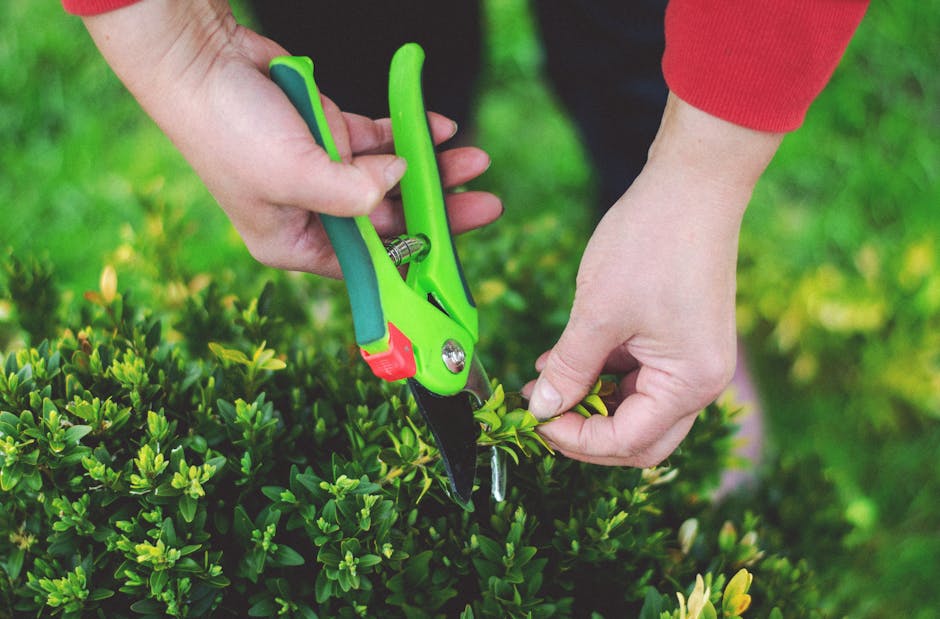
| Secateurs | Pruning stems, deadheading, light shaping | Fast, precise cuts without over-trimming |
| Long-handled brush | Clearing leaves and debris from paving | Quick way to keep paths and patios usable |
| Watering can or hose with control nozzle | Watering pots and borders | Lets you target dry areas without wasting water |
| Garden gloves | General maintenance and weed removal | Protects hands when working in compact, gritty spaces |
| Small rake or leaf grabber | Autumn clearance and surface cleaning | Useful where larger tools are awkward |
For bigger jobs, such as a full seasonal tidy-up, it can make sense to compare professional options and payment details in advance. Clear terms matter. If you are comparing providers, the pages on pricing and quotes, payment and security, and terms and conditions are sensible places to start.
If sustainability matters to you, which it often does in a small garden where waste can build up fast, take a look at recycling and sustainability. That can help you think more carefully about green waste, reusable materials, and responsible upkeep.
Law, Compliance, Standards, or Best Practice
For most home yard maintenance, the main practical concerns are safety, neighbourly care, and responsible disposal. You generally do not need to overcomplicate it, but a few best-practice points are worth keeping in mind.
First, make sure any maintenance work is done safely. That includes using tools properly, keeping walkways clear, and avoiding unsafe ladder use for hard-to-reach pruning. In a tight yard, awkward angles are common, so care matters more than speed. A tidy job is good; a safe job is better.
Second, be mindful of noise and access. Small urban gardens often sit close to neighbouring homes, so leaf clearing, hedge trimming, or powered equipment should be handled considerately. This is not about fussiness. It is just good practice in a dense area like SE14.
Third, if waste is being removed, it should be handled responsibly. Garden waste, soil, broken pots, and general debris should be sorted and disposed of properly rather than dumped casually. A professional service should be able to explain how it handles waste and safety expectations. If you want to understand a company's standards, the health and safety policy and recycling and sustainability pages are useful reading.
Finally, if you are hiring help, look for clear communication about insurance, security, complaints handling, and accessibility. Those things might sound administrative, but they are part of trust. A firm that is open about these basics usually handles the practical work more reliably too.
Options, Methods, or Comparison Table
There is more than one way to keep a small yard under control. The best approach depends on your time, confidence, and how much work the space actually needs.
| Approach | Best For | Pros | Trade-Offs |
|---|---|---|---|
| DIY weekly upkeep | People with limited but regular time | Low cost, flexible, personal control | Can slip if your schedule gets busy |
| Monthly professional maintenance | Busy households and landlords | Reliable, thorough, less effort for you | Higher ongoing cost than DIY |
| Seasonal tidy-up only | Yards that are mostly low maintenance | Good for periodic resets | Does not prevent in-between build-up |
| Hybrid approach | Most small New Cross yards | Balanced cost and control | Needs a clear routine to work well |
For many people, the hybrid approach is the sweet spot. You handle light jobs like watering and basic tidying, while a professional steps in for heavier pruning, seasonal resets, or a more technical tidy-up. That way, the yard stays presentable without taking over your week.
Case Study or Real-World Example
Imagine a small rear yard in New Cross: concrete paving, one narrow border, three pots, a climbing plant on the back wall, and a drain that tends to collect leaf debris. Nothing dramatic. Just a very typical urban space.
The first problem is usually not the planting. It is the surface. A few wet leaves sit in one corner, the drain slows down, and algae starts to build where the sun does not quite reach. The pots then begin to look untidy because the space around them feels messy, even if the plants themselves are fine.
A sensible maintenance routine would start by clearing the paving and drain, cutting back the climber, removing dead leaves from the pots, and refreshing the compost in the containers. After that, the yard would likely feel twice as large. Not literally, of course. But in perception, yes. That is the beauty of small-space maintenance.
Expert summary: In compact yards, maintenance is about reducing visual noise and preventing small issues from compounding. Keep the floor clear, the planting restrained, and the drainage honest. The rest usually falls into place.
That example may sound plain, but most successful small yards are plain in the right way. They are not overloaded. They just work. And honestly, that is enough.
Practical Checklist
Use this checklist for a quick garden maintenance session in a small SE14 yard. It works well as a weekly or fortnightly routine, depending on the season.
- Remove litter, fallen leaves, and dead plant material.
- Check paving, steps, and paths for moss or slippery patches.
- Pull visible weeds before they seed or spread.
- Trim anything blocking access, light, or sightlines.
- Deadhead flowers and remove yellowing growth.
- Water containers and check for dry compost.
- Look for standing water or blocked drainage points.
- Rearrange pots if the space feels cramped.
- Inspect fences, trellis, and supports for loose sections.
- Bag and remove green waste responsibly.
If you can do those ten things consistently, most small yards will stay in good shape with surprisingly little effort. That little bit of regular attention really adds up.
Get a free quote today and see how much you can save.
Conclusion
The best garden maintenance SE14 top tips for small New Cross yards are usually the simplest ones: clear regularly, prune with restraint, protect drainage, and avoid crowding the space. Small yards do not need constant reinvention. They need steady care and a bit of good judgement.
If you keep the routine light but regular, your yard will feel calmer, look bigger, and be far easier to enjoy. If you are comparing support options, it helps to explore the provider's service overview, check the about us details, and use the contact us page when you are ready to ask a question or arrange a visit.
Small gardens can be a delight when they are looked after properly. Not perfect. Just cared for. And that, more often than not, is what makes the difference.
Frequently Asked Questions
How often should a small New Cross yard be maintained?
For most small yards, a light weekly tidy and a slightly fuller monthly check works well. In spring and autumn, you may need to do a bit more because growth and leaf fall pick up quickly.
What is the best low-maintenance planting for a small yard?
Plants that suit your shade, shelter, and soil conditions are usually the best choice. In compact urban spaces, repeated planting in containers or using a few dependable plants often works better than trying to cram in lots of different species.
Can garden maintenance make a tiny yard look bigger?
Yes. Clearing clutter, keeping edges neat, and avoiding overplanting can make a surprisingly big difference. Open floor space and simple planting often create the sense of more room.
Do small yards need professional maintenance?
Not always, but professional help can be useful if the garden is overgrown, awkward to access, or simply too easy to ignore. A hybrid setup, where you do small jobs and outsource bigger ones, is often the most practical route.
What are the most common maintenance problems in SE14 yards?
The usual issues are shade, damp, moss on paving, weeds in cracks, cramped layouts, and plants that grow faster than expected. Small urban yards tend to show neglect quickly, so regular attention helps a lot.
Is pressure washing safe for small garden paving?
It can be, but it needs care. Too much pressure can damage joints or surfaces, especially on older paving. A gentler clean is often better, and surface type should always guide the method.
How do I keep a yard tidy without spending hours on it?
Keep the routine short and repeatable. Focus on the floor area first, then weeds, then trimming. A 15- to 20-minute habit is often more realistic than waiting for a full free day that never arrives.
What should I ask before hiring garden maintenance help?
Ask what is included, how waste is handled, whether the work is insured, and how pricing works. It is also sensible to check terms, payment arrangements, and health and safety details before booking.
How do I stop weeds coming back in paving and gravel?
Remove them early and keep the area clear of leaf litter and debris. Once weeds establish deep roots, they are harder to manage. Preventive upkeep is much easier than repeated rescue work.
What time of year is best for a small yard tidy-up?
Spring and early autumn are especially useful times for a more thorough tidy-up. Spring helps reset the space for growth, while autumn clears out debris before wetter weather makes everything harder to manage.
How can I tell if my yard needs more than routine maintenance?
If plants are overcrowded, drainage is poor, surfaces are slippery, or the space no longer feels easy to use, it probably needs a deeper reset. At that point, a more thorough maintenance visit can save time later.
Where can I find more information about the service and company standards?
You can review the company's services overview, pricing and quotes, insurance and safety information, and complaints procedure for a clearer picture of how things are handled.