Lewisham Council garden waste rules explained for New Cross gardeners
If you garden in New Cross, the garden waste question tends to arrive at the messiest moment: after a hedge trim, a lawn cut, or a weekend clearance when the bin is already full and there's a small mountain of cuttings at your feet. This guide to Lewisham Council garden waste rules explained for New Cross gardeners breaks the subject down in plain English, so you know what can go in, what should stay out, and how to handle green waste without making a hassle of it.
We'll cover the practical side too. What counts as garden waste? How do collections usually work? What happens if you have more than your bin can take? And what's the sensible way to manage clippings, branches, soil, and mixed garden debris without risking contamination or a missed collection? Let's keep it straightforward.
In short: treat garden waste as a separate stream, keep it clean, and plan ahead for bigger jobs. That simple habit saves time, reduces fly-tipping risks, and makes garden maintenance far less stressful.
Table of Contents
- Why Lewisham Council garden waste rules explained for New Cross gardeners matters
- How Lewisham Council garden waste rules explained for New Cross gardeners works
- Key benefits and practical advantages
- Who this is for and when it makes sense
- Step-by-step guidance
- Expert tips for better results
- Common mistakes to avoid
- Tools, resources and recommendations
- Law, compliance, standards, or best practice
- Options, methods, or comparison table
- Case study or real-world example
- Practical checklist
- Conclusion
- Frequently asked questions
Why Lewisham Council garden waste rules explained for New Cross gardeners matters
Garden waste rules matter because garden debris is not all treated the same way. A pile of hedge trimmings, grass cuttings, and leaves is usually straightforward. Add soil, rubble, plastic pots, treated wood, food waste, or bits of old decking, and the picture changes quickly. That's where confusion starts, especially in compact New Cross gardens where one tidy job can produce a surprisingly awkward amount of waste.
For local gardeners, the stakes are practical rather than dramatic. If waste is sorted badly, collections may be missed, containers may be rejected, and the whole job can drag on longer than it should. Worse, mixed waste can create contamination issues that are annoying to fix and, frankly, not very glamorous on a Saturday afternoon.
There's also a neighbourhood angle. In busy streets and shared access spaces, poor handling of garden waste can lead to unsightly piles, pests, blocked pathways, and the sort of mess people notice immediately. New Cross has plenty of gardens that are small, shaded, and productive in their own way. That means regular maintenance produces regular waste, not just occasional clear-outs.
Knowing the rules also helps you decide when a normal bin is enough and when you need a more organised clearance approach. If you already rely on structured help such as garden maintenance or a one-off garden clearance, it becomes much easier to keep the waste stream clean and manageable.
Practical takeaway: the rules are not just about compliance. They help you avoid extra effort, reduce waste contamination, and keep your garden work moving without unnecessary stops and starts.
How Lewisham Council garden waste rules explained for New Cross gardeners works
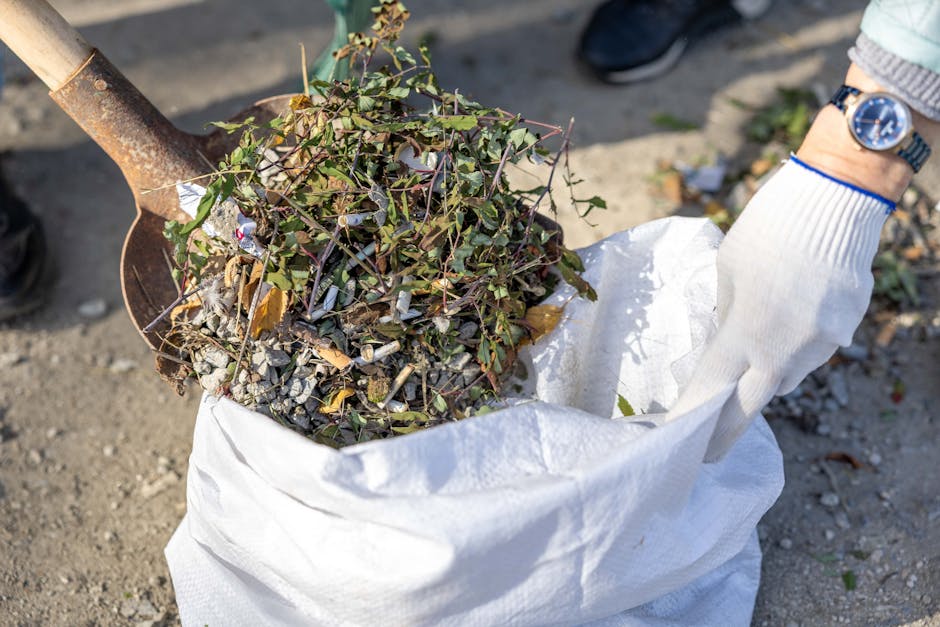
At a basic level, garden waste rules are about separation, presentation, and disposal route. Garden waste is usually organic material from normal garden work: grass, leaves, small prunings, weeds, and similar green material. The principle is simple, though the details can get a bit fiddly. Not everything that came from the garden is actually garden waste in the council sense.
Most councils expect garden waste to be kept free from contamination. That usually means no plastics, no general rubbish, no bricks, no broken ceramics, and no large amounts of soil. In everyday terms, if it would not compost cleanly or behave like normal green waste, it probably needs a different disposal method. A little bit of soil clinging to roots is one thing. A wheelbarrow full of turf and hardcore is another.
New Cross households often deal with mixed garden jobs in tight spaces: cutting back climbers, removing overgrown borders, clearing a shed-side corner, or mowing a small rear lawn. Those jobs often create a mix of green waste and non-green waste. Best practice is to separate them as you go, rather than making a pile and sorting later. Later sorting is how people end up staring at a heap at dusk, wondering why they didn't start with two bags instead of one. Happens all the time.
If you are arranging external help, it's worth choosing services that understand the difference between routine green waste and larger clearance material. A good starting point is the wider services overview, especially if your project includes trimming, mowing, or reshaping as well as waste removal.
What usually counts as garden waste
- Grass cuttings
- Leaves and small twigs
- Weeds and plant trimmings
- Dead plants and flowers
- Small hedge cuttings
- Light pruning from shrubs and bushes
What usually should not go in garden waste
- General household rubbish
- Plastic plant pots, ties, and packaging
- Soil in bulk
- Stones, rubble, and broken paving
- Timber treated with paint, varnish, or preservatives
- Large branches or tree sections, unless handled separately
In practice, this means a light spring tidy and a full garden overhaul are handled very differently. The first might be dealt with through ordinary collection arrangements. The second may need a more deliberate waste plan, especially if you are removing mature growth or working around awkward access.
Key Benefits and Practical Advantages
Following the garden waste rules properly gives you more than just a tidy bin. It improves the whole rhythm of your gardening. You waste less time, the garden looks cleaner while the work is underway, and the final result feels properly finished rather than half-done.
One of the biggest benefits is predictability. Once you know what belongs in the garden waste stream, you can plan cuts and clearances more sensibly. For example, if you are doing hedge trimming on a Saturday morning, you can bag the arisings separately and keep the rest of the work area usable. That sounds minor. It isn't. In a small back garden, an organised workflow is everything.
Another advantage is cost control. Mixed waste often becomes more expensive to deal with because it needs extra sorting or a different disposal route. Clean, separated green waste is far easier to handle. It also makes quoting more accurate if you're arranging professional help and want a fair price rather than a vague guess. If that matters to you, the page on pricing and quotes may be useful when you are comparing job sizes and service levels.
There's also a sustainability angle. Garden waste that is properly separated is more likely to be recycled or composted through the right route, which is better than lumping everything together. If you care about reducing waste and keeping gardening as low-impact as possible, the site's recycling and sustainability page is a good companion read.
And let's be honest: a garden that is managed cleanly simply feels better to use. You hear the mower once, you smell the cut grass, and the place looks like someone is actually in charge. That feeling is worth a lot on its own.
Who This Is For and When It Makes Sense
This guidance is for anyone in New Cross who generates garden waste, whether that's a small front patch, a shared back yard, or a larger domestic garden tucked behind a terrace. You do not need to be a keen gardener to benefit from it. In fact, casual gardeners often need it most, because waste builds up quietly and then suddenly becomes a problem.
It makes sense if you:
- mow a lawn regularly and need to manage grass cuttings
- trim hedges or shrubs a few times a year
- clear leaves in autumn and early winter
- have overgrown borders that need a reset
- are preparing a garden for tenants, sale, or summer use
- want to avoid contamination and collection issues
It also matters if you are deciding whether to book support for tasks like lawn mowing or hedge trimming. The bigger the cut-back, the more important it is to think about waste from the start. Truth be told, waste planning is one of those boring little jobs that saves a lot of drama later.
If your garden work involves awkward branches, tree debris, or heavy overgrowth, separate handling becomes even more important. In those situations, tree lopping and removal can be part of the solution, but the waste produced needs to be assessed carefully rather than bundled in with standard clippings.
Step-by-Step Guidance
Here is a practical way to approach garden waste in New Cross without overcomplicating it.
- Identify the waste before you start. Walk the garden and decide what is being cut, dug, or cleared. Grass, leaves, hedge trimmings, roots, soil, timber, and general rubbish should not all end up in one pile.
- Separate green waste from everything else. Use different bags, piles, or containers. This is the easiest habit to get right, and it prevents the common "I'll sort it later" problem. Later usually means never.
- Cut waste down to manageable size. Smaller material is easier to bag, easier to stack, and easier to move through narrow side access or shared paths.
- Keep the waste clean. Shake off excess soil where practical. Remove plastic ties, labels, and non-organic bits. A clean load is much more likely to be accepted for the correct route.
- Store it safely until collection or removal. Do not block entrances or public paths. Keep bags secure so wind, rain, or birds do not spread the contents around. You know how that goes on a windy evening.
- Check whether the job is routine or one-off. A small weekly tidy is different from a large clearance after months of growth. Bigger jobs usually need more planning and may be better handled through a dedicated clearance service.
- Book the right help if needed. If you are not sure whether you have enough waste for normal collection, or if access is awkward, ask for a tailored approach rather than guessing.
A helpful rule of thumb: if the job starts with one bag and ends with six, pause and reassess. That is usually the point where a more structured disposal plan pays for itself.
Expert Tips for Better Results
There are a few small habits that make a big difference. None of them are exciting. All of them matter.
- Trim before you collect. Let cuttings settle, then bag them once they stop springing back and taking up more space than they should.
- Use the right containers. Strong bags, tubs, or sacks make handling easier and reduce breakage. Thin bags split at the worst possible time, usually when you've got mud on your shoes.
- Work from dry to damp. Dry leaves and clippings are lighter and easier to bundle. Wet waste gets heavier fast and can make a small job feel enormous.
- Break larger material down. Shorter lengths are easier to handle and less likely to cause issues in storage or transport.
- Keep a separate corner for non-green waste. Old pots, broken canes, stones, and packaging should not mingle with cuttings. A simple "keep apart" rule is enough.
One useful professional habit is to think in stages: first cut, then collect, then clear. That sequence is far more efficient than bouncing between tasks. It also keeps the garden usable while you work. You can step back, see what is happening, and avoid the classic "why is there a pile in the only doorway?" moment.
If you want a garden that is easier to manage from week to week, combining waste control with regular care is a smart move. The maintenance pages on garden maintenance and lawn mowing fit naturally with this approach, because neat, ongoing work produces less messy waste overall.
Common Mistakes to Avoid
Most problems with garden waste are avoidable. The tricky bit is that people tend to make the same few mistakes over and over, especially during a rush.
- Mixing everything into one pile. This is the most common one. It seems efficient until you have to unpick it later.
- Overfilling bags. Heavy bags tear, split, or become impossible to move safely.
- Leaving waste in the wrong place. Side returns, entrances, and pavements should never be blocked. Aside from courtesy, it can create safety and access issues.
- Including contaminated material. Paint, chemicals, treated timber, and household rubbish do not belong with green waste.
- Assuming all garden debris is acceptable. Soil, rubble, and hard landscaping waste often need separate handling.
- Waiting too long to clear. Fresh cuttings are easier to deal with than soggy, compacted piles.
The last point is underrated. A pile of leaves after a windy afternoon looks harmless. Three days later, after rain and foot traffic, it can turn into a slippery, compacted mess. Not ideal. Not at all.
Tools, Resources and Recommendations
You do not need a van full of specialist kit to manage garden waste properly. A small, sensible setup is usually enough for most New Cross gardens.
Helpful tools for everyday garden waste handling
- sturdy garden waste bags or sacks
- loppers and secateurs for reducing branch size
- a rake or leaf collector
- a wheelbarrow for moving heavier loads
- gloves with a decent grip
- a tarp or sheet for temporary staging
If you are making larger changes to the garden, it can help to pair waste handling with the right service choice. For example, if the space needs reworking as well as clearing, landscape gardening or broader landscaping support may be more efficient than trying to tackle everything in tiny bits over several weekends.
For customers who want to understand how the business operates before booking anything, the company pages on about us and insurance and safety can help build confidence in the process. If you have a question that is not covered on the site, the contact us page is the practical next step.
Law, Compliance, Standards, or Best Practice
This topic sits in the space between council expectations, common sense, and environmental best practice. While the exact details of local collection arrangements can change, the general principles stay consistent: keep garden waste separate, avoid contamination, and present it in a way that can be collected or processed properly.
Best practice in the UK also means thinking about duty of care. In plain English, if you produce waste, you should take reasonable steps to handle it responsibly. That does not mean making your own life difficult. It means not dumping mixed waste, not leaving piles where they cause a nuisance, and not assuming that all garden material can be treated the same way.
For gardens with larger quantities of wood, roots, or heavy debris, it is sensible to treat the waste stream differently. This matters especially where tree work is involved, because branches and trunk sections are not the same as hedge trimmings. Similarly, if a project includes decking removal or hard landscaping changes, the resulting material may need a separate disposal plan. The relevant service pages, such as decking services, are useful to review when you are planning a broader job.
It is also worth remembering that local guidance can be interpreted differently depending on property type, access, and collection arrangements. Flats, shared gardens, and narrow side alleys can all change what is practical. When in doubt, choose the more cautious approach: separate your waste, store it neatly, and confirm the handling route before collection day. That is the safest everyday standard, and honestly the least stressful one too.
Options, Methods, or Comparison Table
Different garden waste jobs call for different methods. Here's a simple comparison to help you choose the most sensible route.
| Method | Best for | Strengths | Limitations |
|---|---|---|---|
| Routine council-style green waste handling | Light clippings, leaves, small prunings | Simple, tidy, suitable for regular maintenance | Not ideal for mixed or bulky waste |
| Bagged home storage before collection | Small to medium household garden jobs | Flexible, easy to organise, low disruption | Requires space and careful bagging |
| Professional garden clearance | Overgrown gardens, seasonal clear-outs, mixed debris | Fast, thorough, reduces manual hassle | May cost more than doing it yourself |
| Ongoing garden maintenance | Regular upkeep and repeated waste generation | Keeps waste volumes smaller over time | Needs consistency rather than one-off effort |
For many New Cross gardens, the right answer is not one method forever. It is a mix. A few weeks of mowing and trimming may only need simple bagging, while a seasonal reset or overgrown patch may be better handled as a dedicated clearance job. Choosing the right method upfront saves time, and usually a bit of money too.
Case Study or Real-World Example
Here's a typical New Cross scenario. A small terraced garden has been left alone through late summer. The lawn is patchy, the hedge has grown into the path, and the back corner has a tangle of weeds, cut stems, and a few old pots tucked behind the compost bin. Nothing extreme, just the sort of thing that quietly becomes "a project" once you stand there with tea in hand and actually look.
The first job is to split the waste. Grass cuttings go into one bag. Hedge trimmings are bundled separately. Old plastic pots, broken ties, and bits of packaging are removed and kept out of the green waste stream. Then the larger material is cut down to size so it can be moved without shredding bags or blocking the narrow side access.
Because the garden is compact, space is limited. That means waste has to be staged neatly rather than piled in a heap. Once the cuttings are grouped and the non-green items are cleared, the garden becomes usable again almost immediately. The key change is not just cleanliness. It is control.
That's the part many people miss. Good waste management does not just get rid of mess. It makes the whole job feel lighter. The cutting, the clearing, the final sweep - it all flows.
Practical Checklist
Use this checklist before you finish any garden job in New Cross:
- Have I separated green waste from general rubbish?
- Are soil, stones, and rubble being handled separately?
- Have I removed plastic, ties, labels, and pots from the waste pile?
- Are bags or containers strong enough for the load?
- Is the waste stored safely and not blocking access?
- Do I know whether this is a routine collection issue or a larger clearance job?
- Have I reduced large branches or bulky material to a manageable size?
- Do I need help from a maintenance or clearance service?
If you can tick most of those off, you are probably in good shape. If not, don't panic. Most problems are fixable before collection day if you catch them early.
Conclusion
Lewisham Council garden waste rules explained for New Cross gardeners come down to a few sensible habits: separate your green waste, avoid contamination, and choose the right disposal method for the size of the job. Once you do that, garden maintenance becomes smoother, tidier, and less frustrating. Small gardens especially benefit from this. There is just not much room for waste confusion when every inch counts.
The real win is not the rulebook itself. It is the calm that comes from knowing your cuttings, clippings, and clear-outs are handled properly. That means less mess, less stress, and a garden that feels looked after rather than merely survived.
If your garden is starting to outgrow your weekends, or you simply want a cleaner, more reliable way to manage waste during seasonal work, now is a sensible moment to take the next step.
Get a free quote today and see how much you can save.
And if all you do after reading this is sort your next pile of clippings properly, that's a good start. Honestly, sometimes that is the whole difference.
Frequently Asked Questions
What counts as garden waste in Lewisham?
Garden waste usually includes grass cuttings, leaves, hedge trimmings, weeds, and small plant cuttings. It should be kept separate from household rubbish and non-organic materials.
Can I put soil in my garden waste bin or bags?
In most cases, soil should be treated differently from green waste, especially if it is a large amount. Small amounts stuck to roots may be unavoidable, but bulk soil usually needs separate handling.
Do branches and tree cuttings count as normal garden waste?
Small prunings may be treated as garden waste, but larger branches and tree sections often need separate attention. It depends on size, volume, and how the material is being removed.
What should I do with plastic pots and garden packaging?
Plastic pots, labels, ties, and packaging should be removed from green waste. Keep them separate so they do not contaminate the collection or disposal route.
How do I handle garden waste if my New Cross garden is very small?
In smaller gardens, bag waste as you go and avoid creating large mixed piles. If access is tight or the waste volume is high, a more structured clearance approach may be easier.
Is garden waste collection the same as general rubbish collection?
No, garden waste and general rubbish are usually handled differently. Mixing them can cause rejection or extra sorting later, so keeping them separate is the safest approach.
What if I have more garden waste than my bin can take?
If the amount is more than your normal setup can handle, split it into manageable loads or consider a dedicated garden clearance service. That is often the simplest solution for seasonal work or overgrown gardens.
Can wet leaves and grass cuttings still be collected?
They can often still be handled, but wet waste is heavier and more awkward. If you can let it dry a little before bagging, that usually makes the job easier.
How often should I clear garden waste?
That depends on how actively you garden. Weekly mowing and seasonal trimming create different waste patterns, but regular small clearances are usually easier than leaving everything to build up.
When should I book a professional garden clearance instead of doing it myself?
Book help when the waste is bulky, the access is awkward, or the garden has become too overgrown for simple weekend work. If the job starts to feel endless, that's usually a sign.
Are there any safety concerns with storing garden waste at home?
Yes. Keep waste away from entrances and pathways, and make sure bags are secure. Piles that are left too long can become slippery, attract pests, or create access problems.
Where can I learn more about related garden services?
You can explore useful related pages such as garden maintenance, garden clearance, and recycling and sustainability for a broader picture of how to manage outdoor work responsibly.